Little Genius: A Designer’s Honest Review for Real Embroidery Projects
First Impressions: Playful, Smart, and Ready for School Days
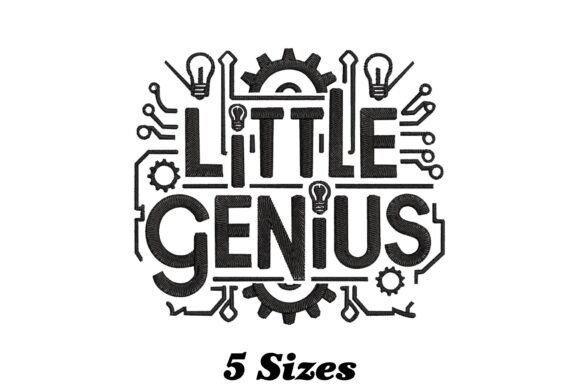
When I first opened the Little Genius embroidery design, I immediately thought of back-to-school season — not just because of the product category, but because of the design’s clean, clever aesthetic. It’s got that “I’m learning and loving it” vibe, with a layout that’s structured yet whimsical. The font is legible without being boring, and there’s a subtle graphic element that gives it just enough personality for kids — or even playful adults.
Real-Life Use: From Tote Bags to Toddler Tees
I decided to test Little Genius on a few different items I regularly embroider for clients and my own Etsy shop. First up: a cotton tote bag for a teacher-themed gift set. The design stitched out cleanly with no puckering, even on the mid-weight cotton. I used a medium-density stabilizer and didn’t have any issues with distortion.
Next, I tried it on a stretchy cotton blend onesie for a baby shower gift. I was a bit cautious here — stretchy fabric can distort satin stitches — but with a lightweight cutaway stabilizer, the result was sharp and professional. The detail in the design held up well, even after washing.
Visual Personality: Smart Style That Sells
Little Genius has a visual tone that’s both educational and fun. It works well for school-themed items, but also for personalized gifts like embroidered baby bibs or custom aprons for a children’s cooking class. The layout is balanced, and the font has a modern, almost hand-lettered feel without being too trendy.
What stood out to me most was how the design maintained its clarity across different fabric types. On a dark kitchen towel, it still read clearly with the right thread contrast. On a light hooded sweatshirt, it looked cozy and inviting. This kind of flexibility is gold for small shop owners or Etsy sellers who want a single design that can be reused across multiple product lines.
Where to Use It Carefully
Like any embroidery design, Little Genius has its limits. If you’re working with a small hoop, be cautious about placement — the design might crowd the edges if not sized correctly. I noticed this when I tried to fit it onto a curved cap front. The lettering stayed legible, but the graphic element near the edge got slightly distorted during stitching.
On textured fabrics like terry cloth towels, the satin stitches didn’t lie as flat as they did on smoother cotton. For these cases, I’d suggest using a bit more stabilizer or switching to a fill stitch version if available. Also, if you’re planning to embroider it on dark fabric, test thread contrast carefully — some of the finer lines can get lost in darker backgrounds.
Impact on Product Value and Customer Trust
In my experience, clean, readable designs like Little Genius help build trust with buyers. It doesn’t scream “mass-produced,” which is key for handmade shops and personalized gift sellers. I used it on a custom embroidered patch for a local preschool’s uniform program, and the parents loved how professional it looked.
From a branding standpoint, this design can be a subtle but effective way to add a signature touch to your products. Whether it’s on a boutique tote or a digital mockup for a client proposal, it gives your work that extra layer of polish without overwhelming the overall look.
Designer Notes: Practical Tips Before You Stitch
- Test on scrap fabric before committing to your final product, especially if you're using a new stabilizer or thread combo.
- Check thread color contrast — especially on dark or textured materials. A slight color tweak can make a big difference in legibility.
- Review stitch density and adjust if needed, particularly for stretchy or thin fabrics.
- Confirm hoop size compatibility — don’t assume it fits your standard hoop without checking.
- Inspect small details under magnification if possible, especially if you’re digitizing or resizing the design.
- Test in black and white mockups to see how it reads without color cues.
- Compare light and dark fabric backgrounds to ensure versatility in your product line.
- Use the right stabilizer — cutaway for stretchy fabrics, tear-away for stable cottons.
- Check licensing if you plan to sell finished products or digital embroidery files — always confirm before listing on Etsy or other platforms.
Final Thoughts: A Solid Choice for Designers and Sellers Alike
Little Genius is the kind of embroidery design that doesn’t demand attention but earns it through clean execution and thoughtful layout. It’s not flashy, but it doesn’t need to be. For small business owners, crafters, and Etsy sellers, this is the kind of design that becomes a go-to staple — reliable, versatile, and easy to sell.
Whether you're stitching up personalized gifts, boutique apparel, or commercial embroidery projects, Little Genius delivers a polished, professional finish that aligns with real-world expectations. As a designer, I appreciate that kind of practicality — and as a seller, I know it translates into happy customers and repeat orders.